 |
 |
Living and Dying in Canada Mark Bradford
The most recent statistics show one of the leading causes of death in Canada has been under Canada’s Medical Aid in Dying provision. Killing patients is an act of injury and wrongdoing, and both faith and reason mitigate against healthcare’s involvement in it—ever. But Canada has placed doctors with a conscience in a pickle. |
| READ ARTICLE |
|
|
 |
The Dunning-Kruger Effect and Social Media Dr. Richard DeClue
The Dunning-Kruger effect is a “cognitive bias in which people wrongly overestimate their knowledge or ability in a specific area.” When knowledge and skill grow, people are less likely to overestimate their actual level of competency. How can our knowledge of this phenomenon be applied to our own lives and social media interactions in particular? |
| READ ARTICLE |
|
|
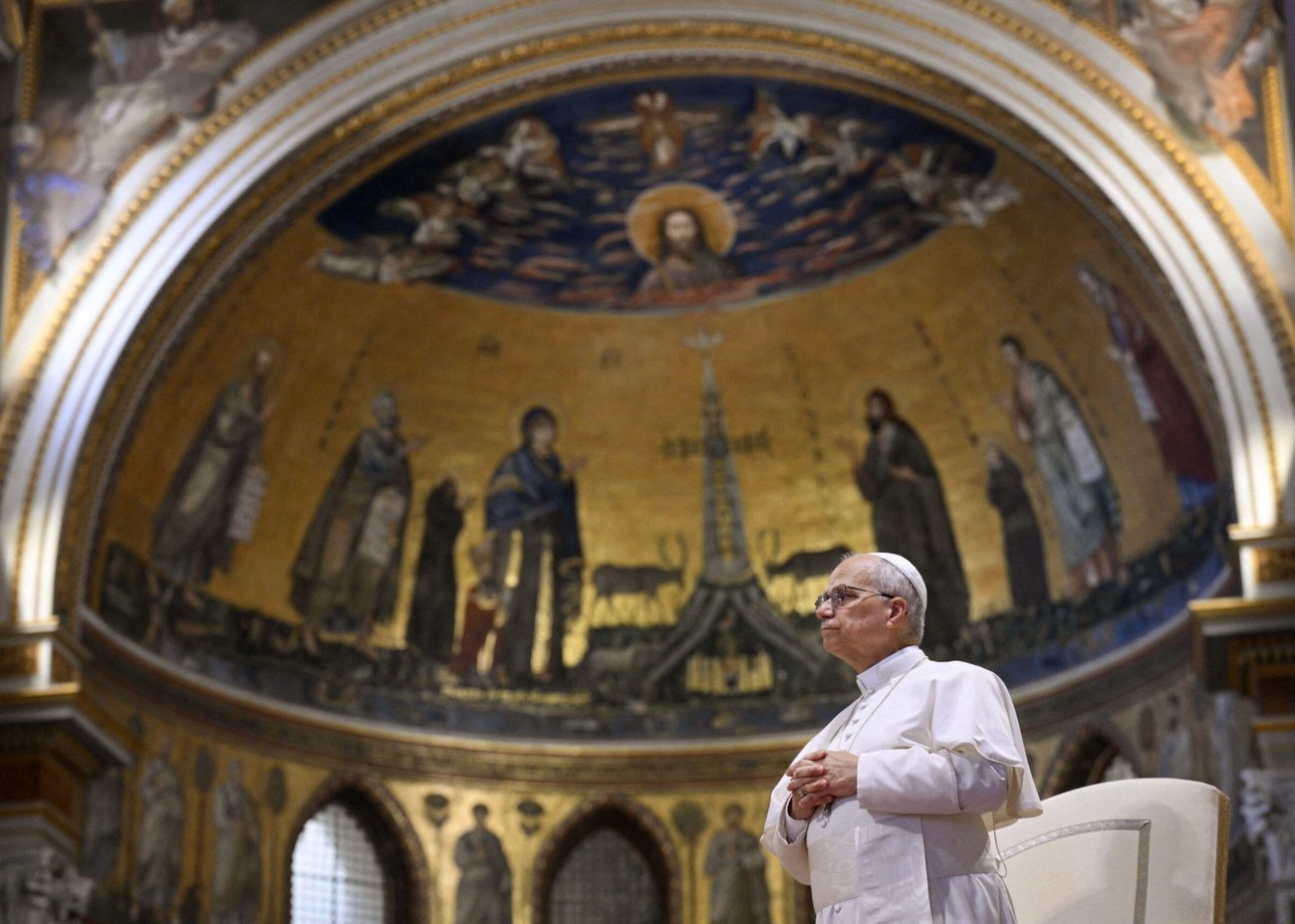 |
Rebuilding Brick by Brick: Leo XIV’s Magnifica Humanitas Dr. Tod Worner
In an age of anthropological uncertainty—of technological wonder, intellectual confusion, and spiritual apathy—Magnifica Humanitas (Magnificent Humanity), has as its foremost priority the pressing need to remind us what we are: beloved children of God. And it is justified because, somehow, we have forgotten. |
| READ ARTICLE |
|
|
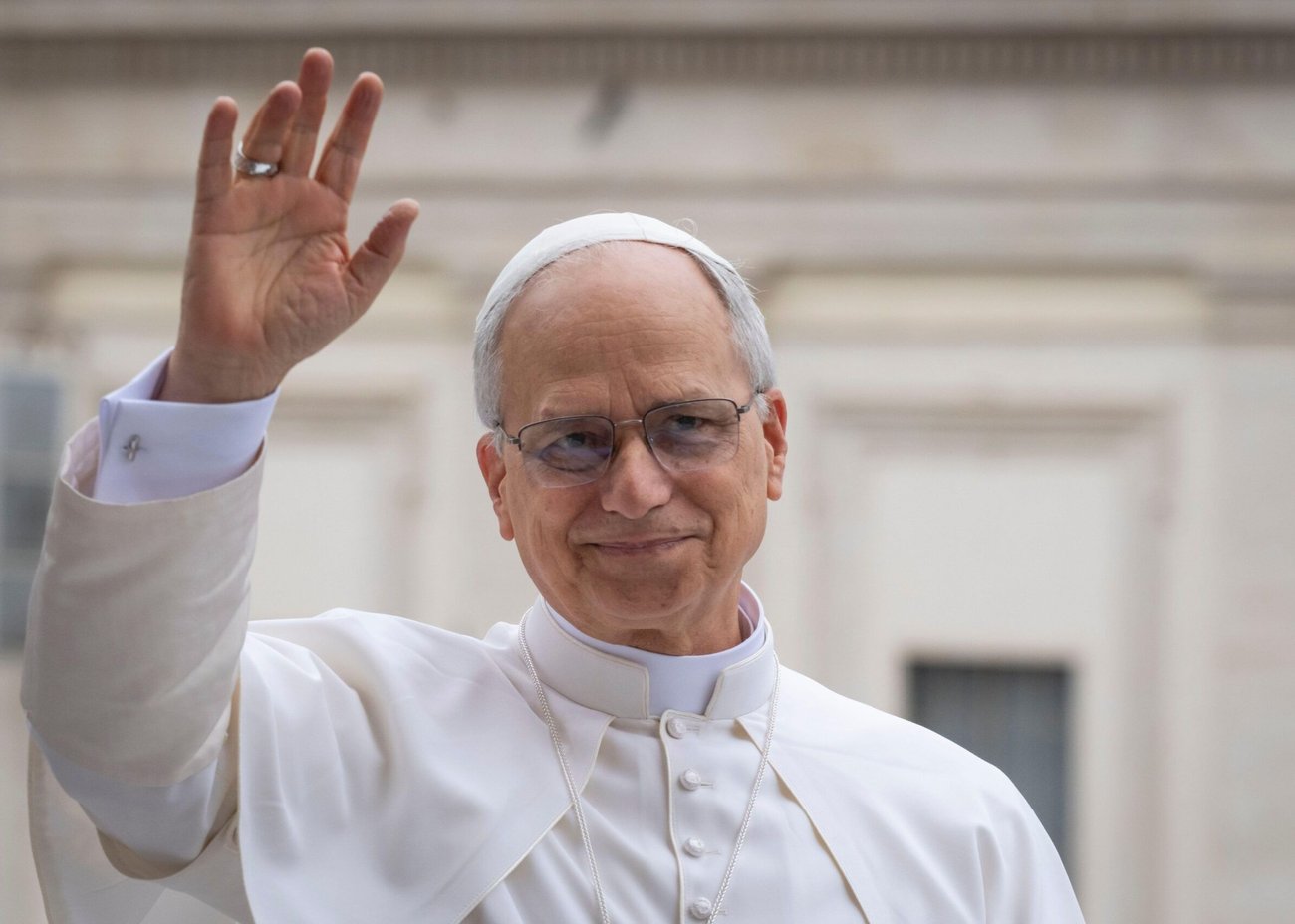 |
Pope Leo XIV’s First Encyclical: An Overview of Magnifica Humanitas Dr. Richard DeClue
Magnifica Humanitas considers the recent growth of technology—especially the development of artificial intelligence—as a digital revolution with its own promises and dangers that likewise need to be addressed for the good of all humanity. Here is a summary of the main points of the document. |
| READ ARTICLE |
|
|
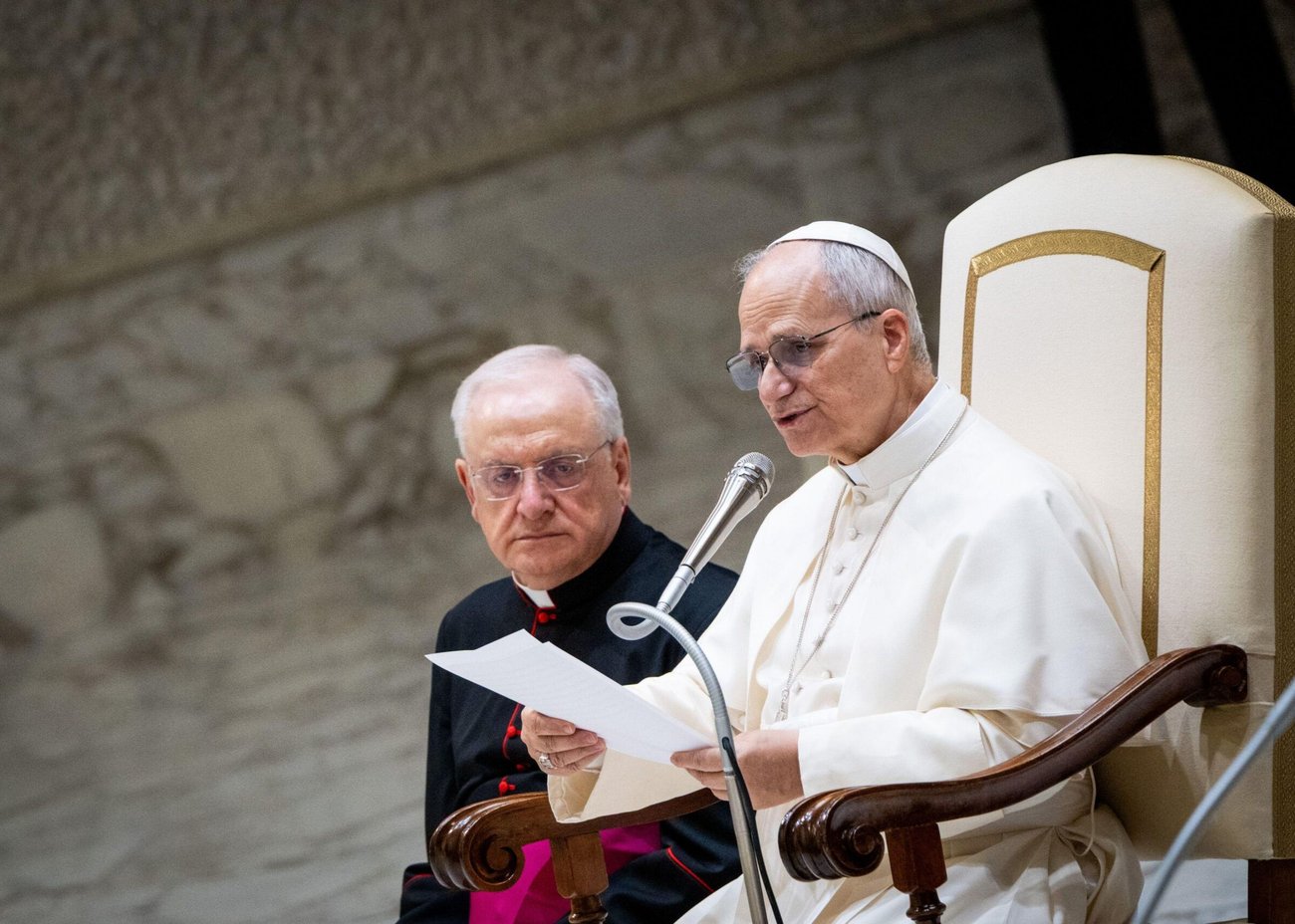 |
Why Popes Can—and Must—Talk About AI (and Other Social Issues) Matthew Becklo
There’s plenty in the new encyclical to stir the pot, unsettling the consciences of both Silicon Valley and DC and inspiring people of any line of work to take action. But both Catholics and non-Catholics may be asking, if only unconsciously: Should popes be talking about something like AI at all? Why not leave the analysis of social issues to the experts? |
| READ ARTICLE |
|
|
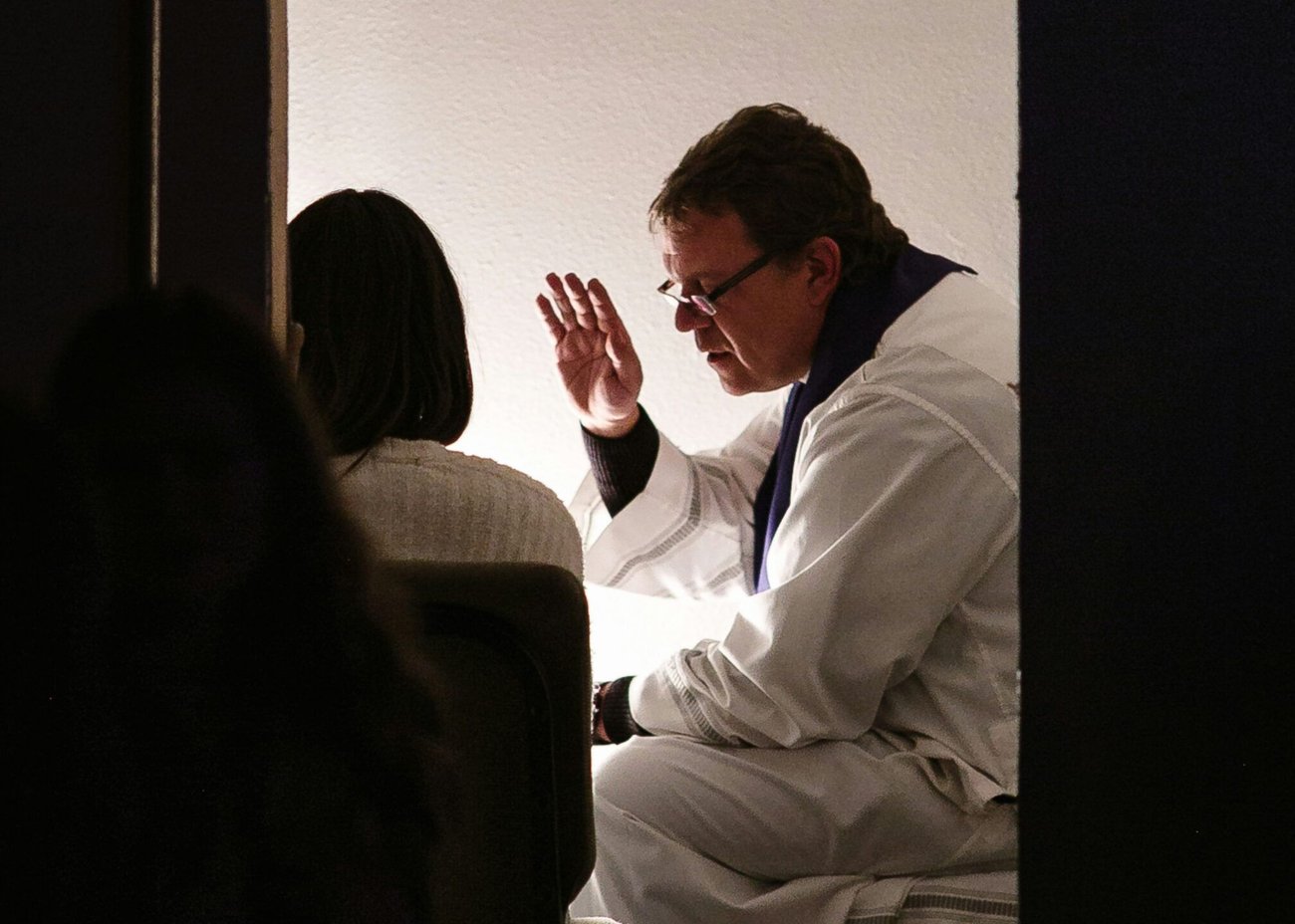 |
The Masculinity of Self-Gift Nell O’Leary
As we approach ordination season across the country, we all witness man after man laying down his life to serve the bride, the mystical body of Christ: the Church. Seminaries are producing well-formed men by the hundreds—thousands—each year. It’s an astonishingly countercultural output compared with what the world says about male-only casts. |
| READ ARTICLE |
|
|
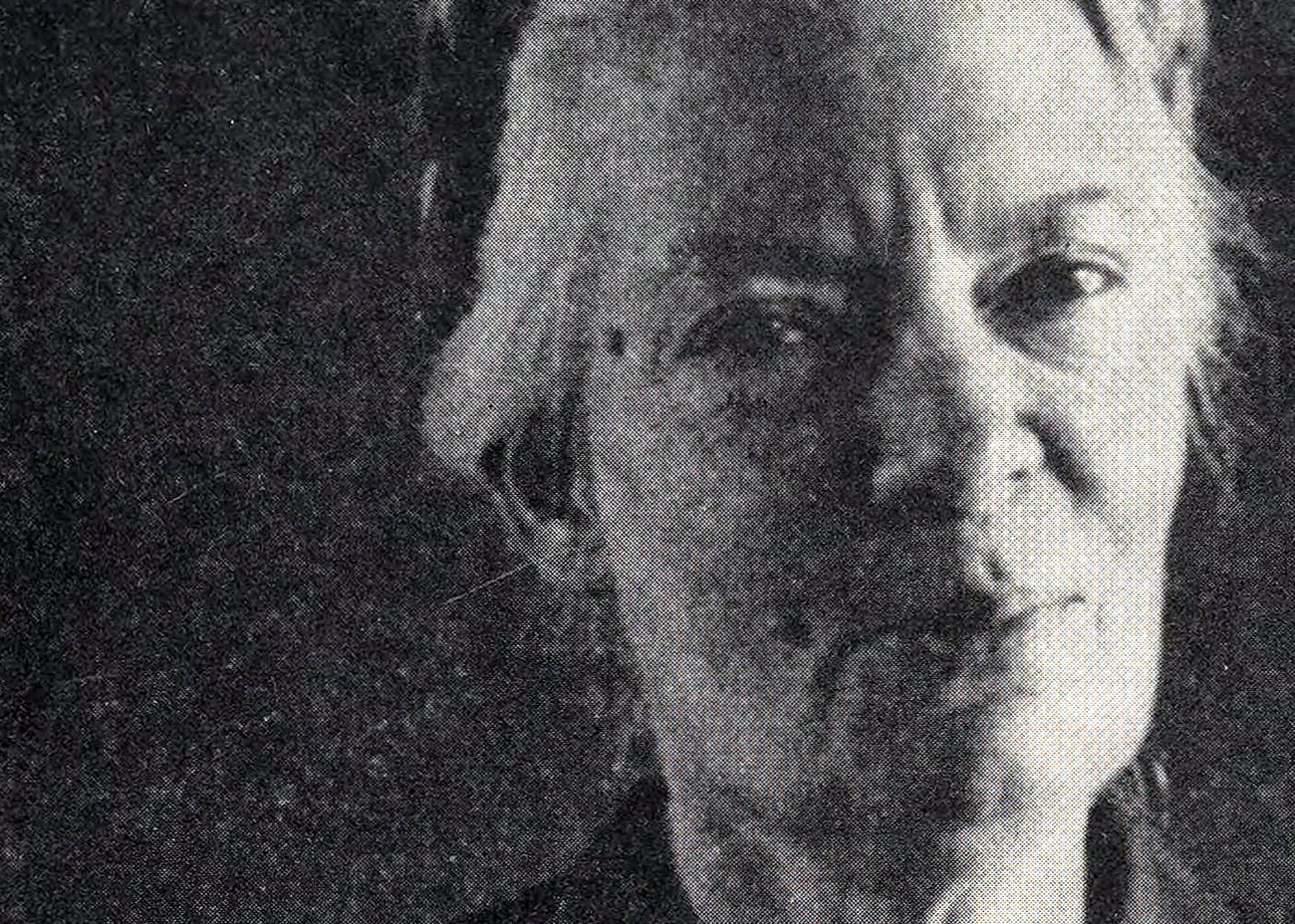 |
Dorothy Day and Democracy in America Elizabeth Bolchoz Sanford
By analyzing Dorothy Day’s Catholic Worker Movement specifically in light of Alexis de Tocqueville’s five principles of democracy, today’s Catholic can understand how Day’s unique witness to the gospel was not a result of progressive ideology but rather depended on the basic freedoms provided for in the staunchly democratic way of American life. |
| READ ARTICLE |
|
|
 |
Stories That Show the Examined Life Is Very Much Worth Living Lindsay Schlegel
The male perspective is a consistent feature of the fifteen short stories in Minnesotan Eric Cyr’s debut collection, Here It Snows in June and Other Stories. The reality of the protagonist’s conscience, an awareness of an objective good and evil, colors each narrative, quietly insisting the reader acknowledge the same in himself.
|
| READ ARTICLE |
|
|
 |
Created Equal with Unalienable Rights? Dr. Christopher Kaczor
The 250th birthday of the United States of America raises critical questions for our country. Do we believe that all human beings are created equal? Do we respect the unalienable rights of life, liberty, and the pursuit of happiness of all people?
|
| READ ARTICLE |
|
|
 |
Andrew Martin’s Down Time Is a Tale of Acedia Andrew Tolkmith
Down Time narrates the particular turn from high to low, which coincides with the COVID pandemic, and the particular inability of rising generations to endure that turn. The novel interrogates the people who comprise it: their assumptions, habits, and proclivities. They are woefully mired, together or alone, in heavy sadness following a time of prosperity.
|
| READ ARTICLE |
|
|
 |
The Anti-Narrative of Sin and Evil Christopher Hazell
Haruki Murakami’s story, “Barn Burning,” sheds light on one of the primary effects of sin: how it leaves the reality of our lives and existence disparate and incoherent. Until the next life, we won’t understand how all of the threads of this divine narrative fit together, but in faith we know it will all be revealed one day. |
| READ ARTICLE |
|
|
 |
How Do You Find the Meaning of Your Life? Dr. Christopher Kaczor
In Arthur Brooks’s new book, The Meaning of Your Life: Finding Purpose in an Age of Emptiness, he tackles a distinctive problem of ambitious strivers: Many report that they lack meaning. If we define meaning as coherence, purpose, and significance, the practice of faith helps all three.
|
| READ ARTICLE |
|
|
 |
The Sainthood of Sarah Miles Emily Erwin
The End of the Affair, Graham Greene’s incarnate, soul-searching, torrid romance offers hope and grace to all of us, at every stage of life, chiefly through the example of the married party in Greene’s Affair, Mrs. Sarah Bertram Miles. It becomes a story of hope that our holiness, no matter how meager or imperfectly modern, can be used and perfected in this life and the next.
|
| READ ARTICLE |
|
|
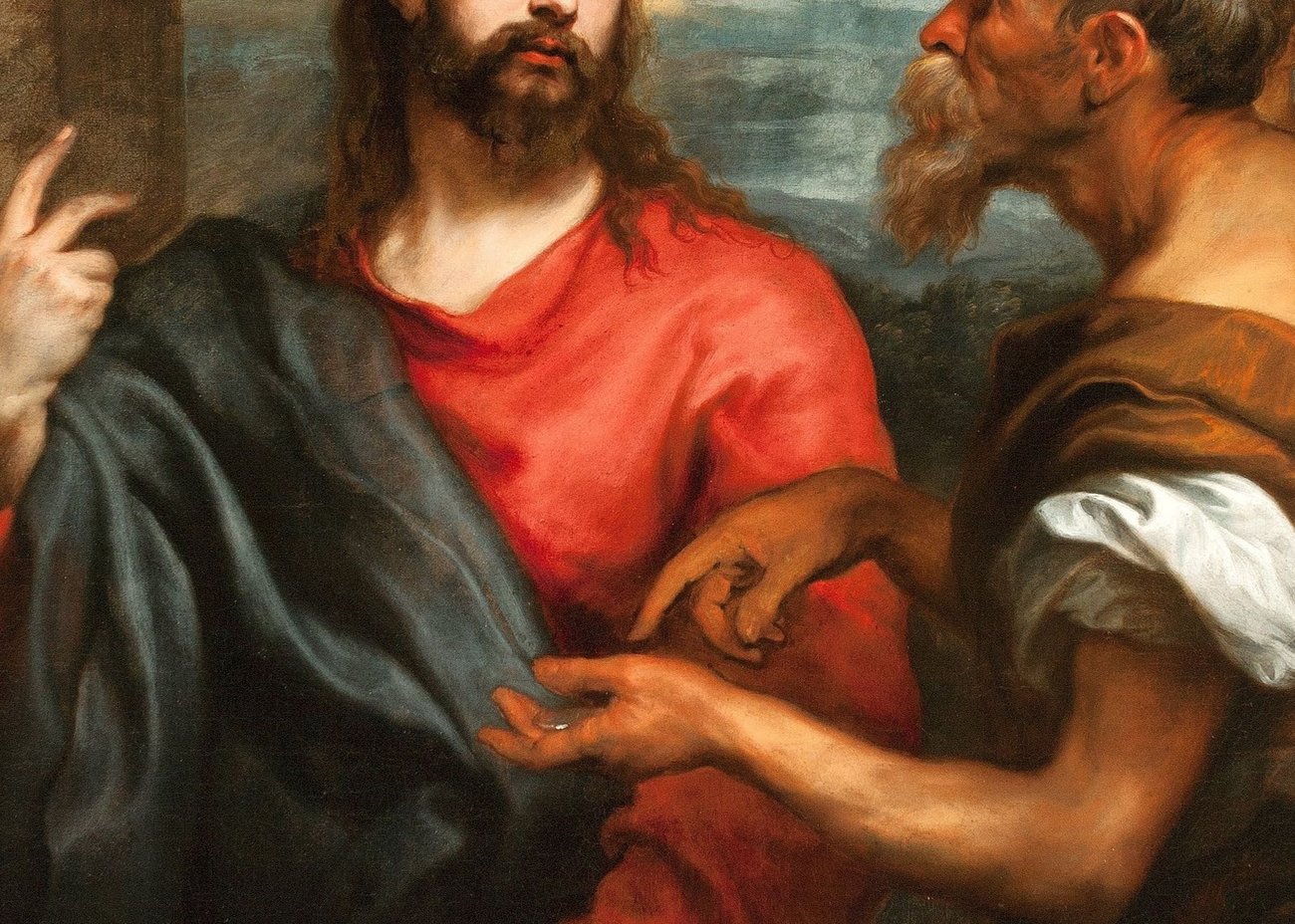 |
A Challenge for the Paschal Season and Beyond: Store Up Treasure in Heaven Dr. Alex Taylor
The Church throughout the centuries has produced a vast storehouse of meditations on all the variety of temptations that can lead us away from the life offered to us by our Lord Jesus in his resurrection. These might prove particularly fruitful in the quest to understand how we should order our wealth, and to what—or whom.
|
| READ ARTICLE |
|
|


0 Response to "[NEW ARTICLES] Living and dying in Canada…"