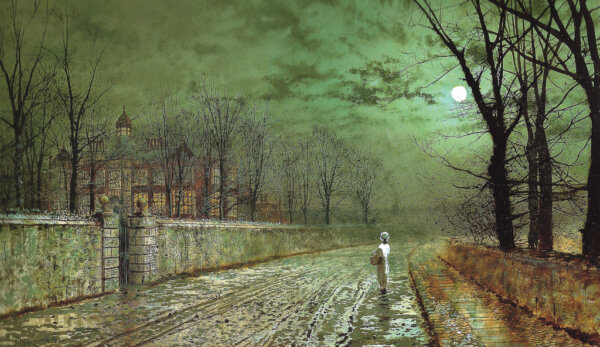
Listen to One of Beethoven’s Most Recognizable Piano Sonatas

If I played the first movement of Ludwig van Beethoven’s Piano Sonata No. 14 in C-sharp minor, Opus 27, No. 2, subtitled “Quasi una fantasia,” you would immediately recognize it. <br> <br> Title doesn’t ring a bell? Trust me. You’d recognize it. ‌ ‌ ‌ ‌ ‌ ‌ ‌ ‌ ‌ ‌ ‌ ‌ ‌ ‌ ‌ ‌ ‌ ‌ ‌ ‌ ‌ ‌ ‌ ‌ ‌ ‌ ‌ ‌ ‌ ‌ ‌ ‌ ‌ ‌ ‌ ‌ ‌ ‌ ‌ ‌ ‌ ‌ ‌ ‌ ‌ ‌  ‌ ‌ ‌ ‌ ‌ ‌ ‌ ‌ ‌ ‌ ‌ ‌ ‌ ‌ ‌ ‌ ‌ ‌ ‌ ‌ ‌ ‌ ‌ ‌ ‌ ‌ ‌ ‌ ‌ ‌ ‌ ‌ ‌ ‌ ‌ ‌ ‌ ‌ ‌ ‌ ‌ ‌ ‌ ‌ ‌ ‌  ‌ ‌ ‌ ‌ ‌ ‌ ‌ ‌ ‌ ‌ ‌ ‌ ‌ ‌ ‌ ‌ ‌ ‌ ‌ ‌ ‌ ‌ ‌ ‌ ‌ ‌ ‌ ‌ ‌ ‌ ‌ ‌ ‌ ‌ ‌ ‌ ‌ ‌ ‌ ‌ ‌ ‌ ‌ ‌ ‌ ‌  ‌ ‌ ‌ ‌ ‌ ‌ ‌ ‌ ‌ ‌ ‌ ‌ ‌ ‌ ‌ ‌ ‌ ‌ ‌ ‌ ‌ ‌ ‌ ‌ ‌ ‌ ‌ ‌ ‌ ‌ ‌ ‌ ‌ ‌ ‌ ‌ ‌ ‌ ‌ ‌ ‌ ‌ ‌ ‌ ‌ ‌  ‌ ‌ ‌ ‌ ‌ ‌ ‌ ‌ ‌ ‌ ‌ ‌ ‌ ‌ ‌ ‌ ‌ ‌ ‌ ‌ ‌ ‌ ‌ ‌ ‌ ‌ ‌ ‌ ‌ ‌ ‌ ‌ ‌ ‌ ‌ ‌ ‌ ‌ ‌ ‌ ‌ ‌ ‌ ‌ ‌ ‌ 
Apr. 10, 2026
Listen to One of Beethoven’s Most Recognizable Piano Sonatas
By Kenneth LaFave
If I played the first movement of Ludwig van Beethoven’s Piano Sonata No. 14 in C-sharp minor, Opus 27, No. 2, subtitled “Quasi una fantasia,” you would immediately recognize it.

Title doesn’t ring a bell? Trust me. You’d recognize it.
Share Read more
Do you have feedback for our coverage?
Tell us what you think by replying to this email.
image alt
A Miraculous Solution Comes Too ‘Easy’

May is 45 years old. She has a loving husband and two young daughters. She could be someone you know.

Her symptoms begin with fatigue, swelling in her ankles and feet, and a loss of appetite—then steadily grow more alarming: shortness of breath, nausea, darkening skin, and numbness. Within a couple of years, May’s condition progresses to the point that she requires dialysis three times a week. She’s diagnosed with chronic kidney failure.

May is suffering terribly—not just from her physical pain, but from the sense that she has placed an unbearable strain on her family. She is now desperate for a solution.

A kidney transplant is possible, but only in the distant future, as the waitlist is measured in years, often two to five. It seems the torment must continue—until one day, while waiting for yet another medical appointment, she overhears a conversation between two women whispering something they keep calling “the China option.” What May learns thereafter would completely change her outlook—in a way that saves her life, but also makes her involuntarily part of a terrible, terrible crime.

The above episode is not unfounded. In fact, real stories like May’s have been playing out in America for years.

After spending two decades researching and covering China’s forced organ harvesting, Jan Jekielek, journalist and host of American Thought Leaders, has culminated his life’s work into his new book, “Killed to Order,” released on March 17. It landed on the New York Times Best Seller list: No. 8 in hardcover nonfiction.

Read May’s full story and the overwhelming evidence in “Killed to Order,” on a subject millions of Americans should know about, but do not.

Order Your Copy on Amazon

image alt
image alt

🎶 Music: Is Beethoven’s “most perfect” work his string Quartet No. 14? Even after losing his hearing, Beethoven wrote one of his most powerful and deeply moving works.

📜 History: Exotic animals in the California Gold Rush: During the California Gold Rush, miners were often shocked to see exotic animals like organ-grinding monkeys. Most had only seen such creatures in books, but as they settled out West, many began keeping monkeys, parrots, and even kangaroos for company and entertainment.

🌾 Tradition: Herakles and the girdle of Hippolyta — when trust breaks down: Herakles’s ninth labor reveals how fragile trust can be, and how quickly misunderstanding can turn a peaceful encounter into tragedy.

image alt
Nathaniel Hawthorne: Forging ‘The Scarlet Letter’

Nathaniel Hawthorne: Forging ‘The Scarlet Letter: Two distinct schools of thought shaped colonial America in the years leading up to the Revolution: the strict Christian morality of Puritanism and the humanistic ideas of the Enlightenment. Read more →

FOLLOW US
Bright FB         Bright Instagram         Bright Gettr         Bright Gab
mt

0 Response to "Listen to One of Beethoven’s Most Recognizable Piano Sonatas"