 |
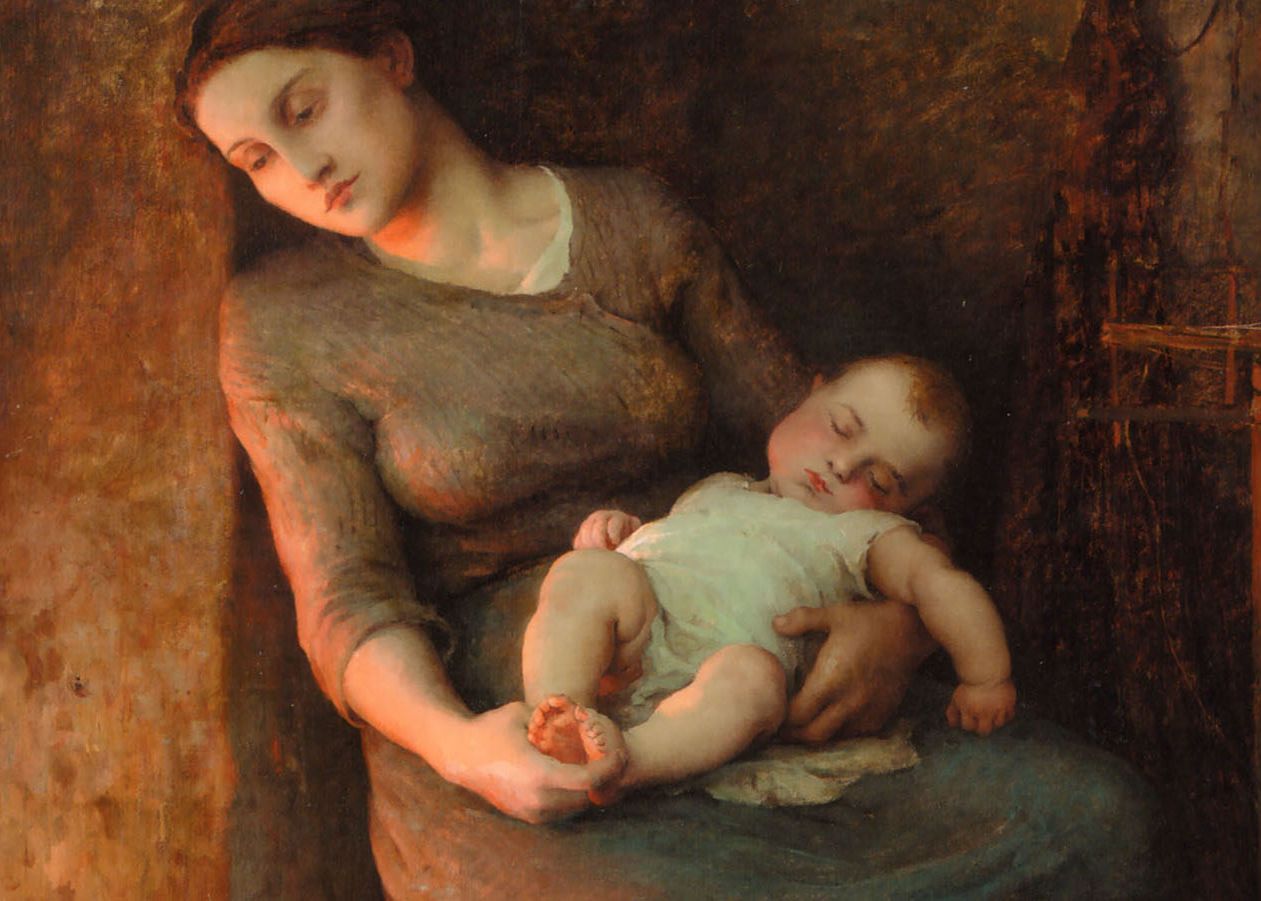 |
Treating Parenthood Like a Lifestyle Choice Leads to Anti-Motherhood Rhetoric Haley Stewart
When I finally read the much-discussed piece from The Cut "I Regret Having Children," I expected my reaction to be indignation. But as I read the women's experiences, I realized that they had been profoundly failed by a society that sees child-rearing not as a normal phase of adulthood but as an opt-in only choice. Motherhood is not a lifestyle: It is the means by which new humans are created, and only through women becoming mothers is society possible. |
| READ ARTICLE |
| |
 |
We Must Keep the Madness in March Michael Adams
March Madness just tipped off, and with it, millions around the country will tune in to see which team will become this year's Cinderella story. Each and every year, teams from small schools with little-known players face up against and beat "blue blood" schools with multiple NBA-bound players. Without these Cinderella stories, not only would March Madness become far more tame, but sports culture as we know it would begin to lose some of its vitality and virtue. |
| READ ARTICLE |
| |
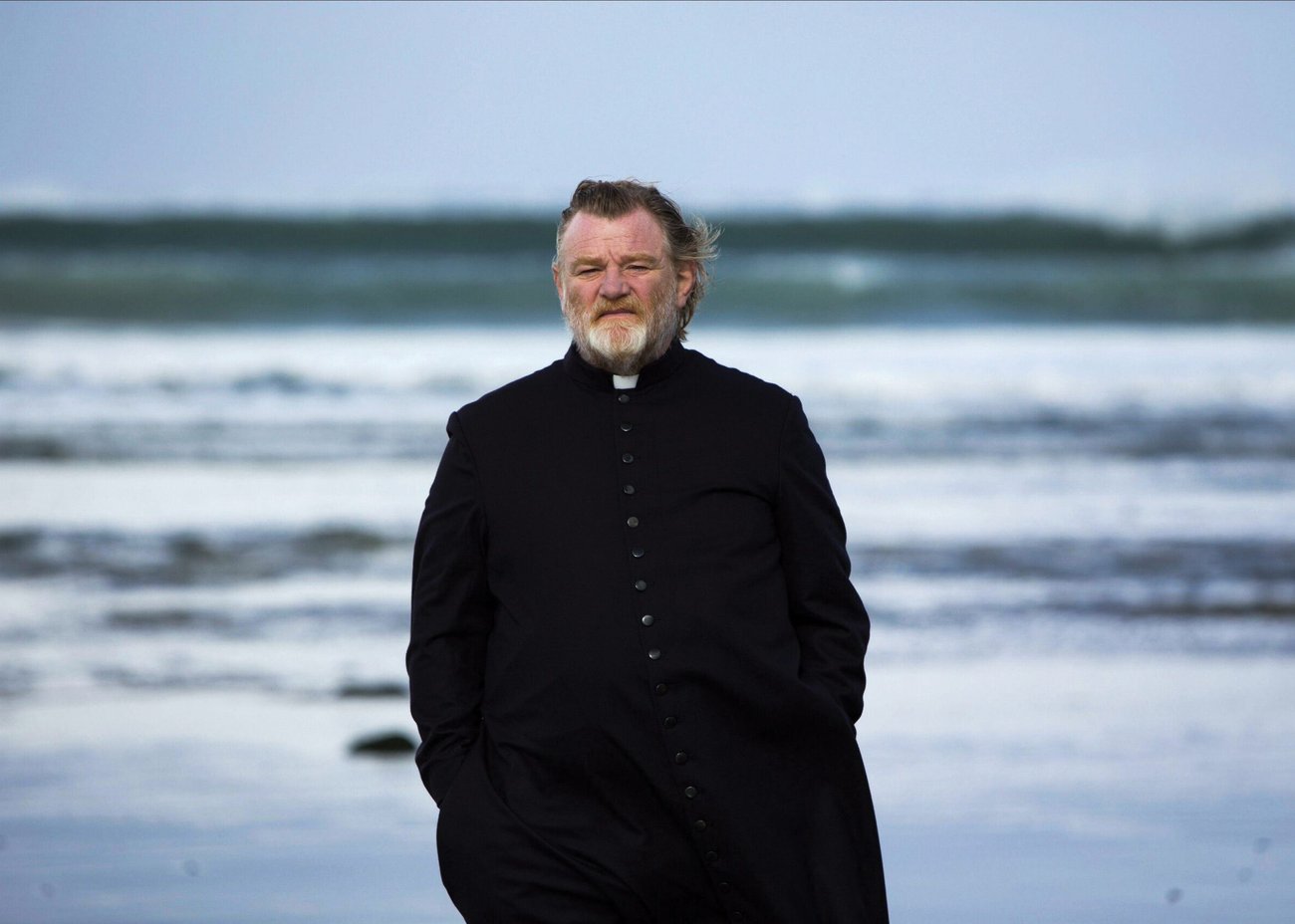 |
No Escaping the Cross: A Film Review of Calvary Caroline Kurt
"I'm going to kill you, Father. I'm going to kill you 'cause you've done nothing wrong." John Michael McDonagh's 2014 drama is not for the faint of heart. The film unfolds as a grisly who-will-do-it, pitting the gritty-but-kind Fr. James Lavelle against a cast of parishioners who hate him and everything he stands for. His life gives the viewer something of a road map to sanctity in the midst of cynicism, indifference, and blazing hatred. |
| READ ARTICLE |
| |
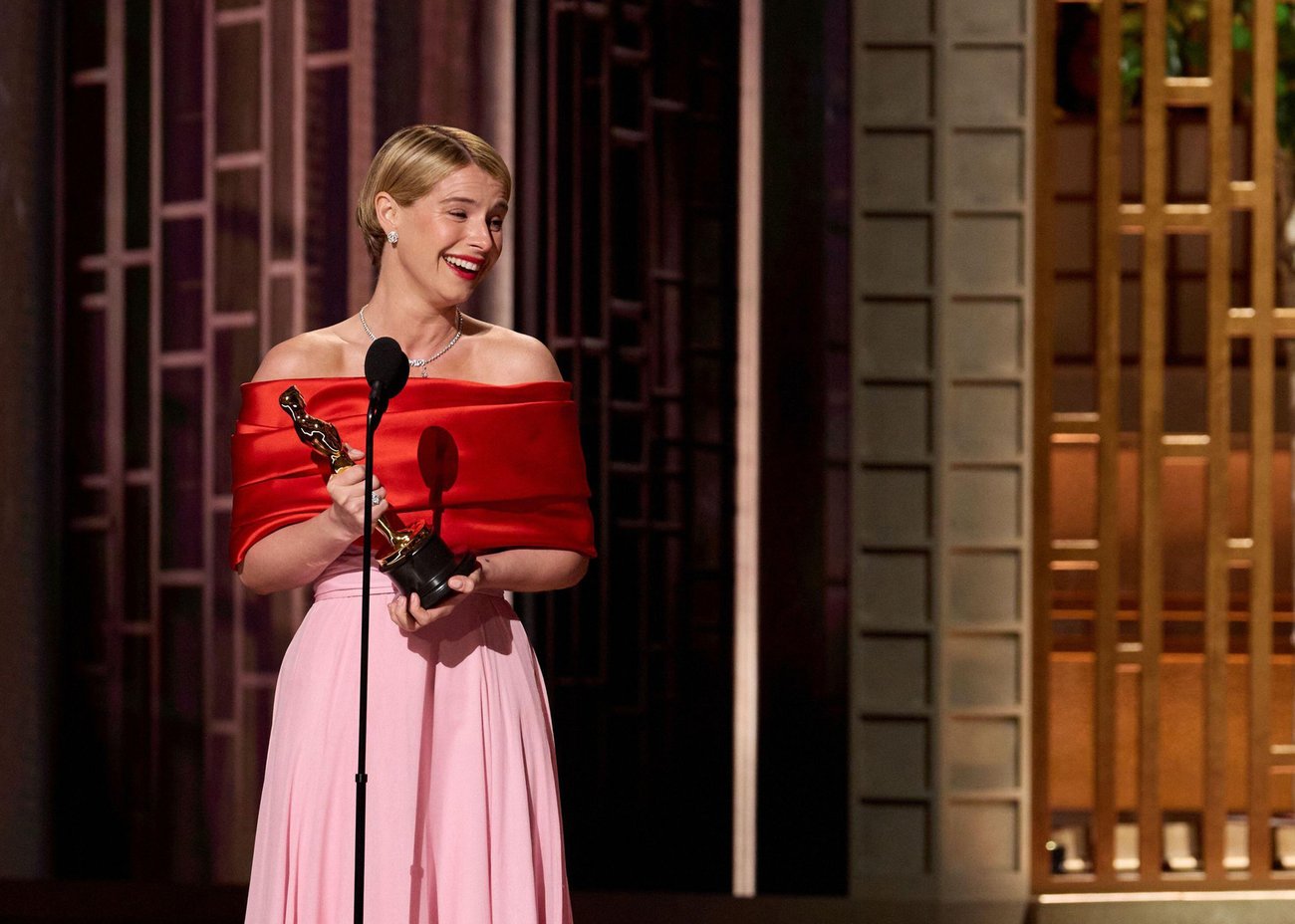 |
A Celebration of Motherhood and a Separation from Influencer Culture Nell O'Leary
I'm not here to linger over social media's response (part awe, part sneer, as usual) to Jessie Buckley's speech because I'm simply busy living my life as a middle-aged Midwest mom of many. We have been saturated in living through our screens for the past twenty-ish years, and I can safely say that I'm seeing a slow but steady stepping away from influencer culture, the highlight living, and constant pumping of vulnerability for a few bucks. And this I'm going to linger over. |
| READ ARTICLE |
| |
 |
THE COLLEGE BEAT: ARTICLE XV |
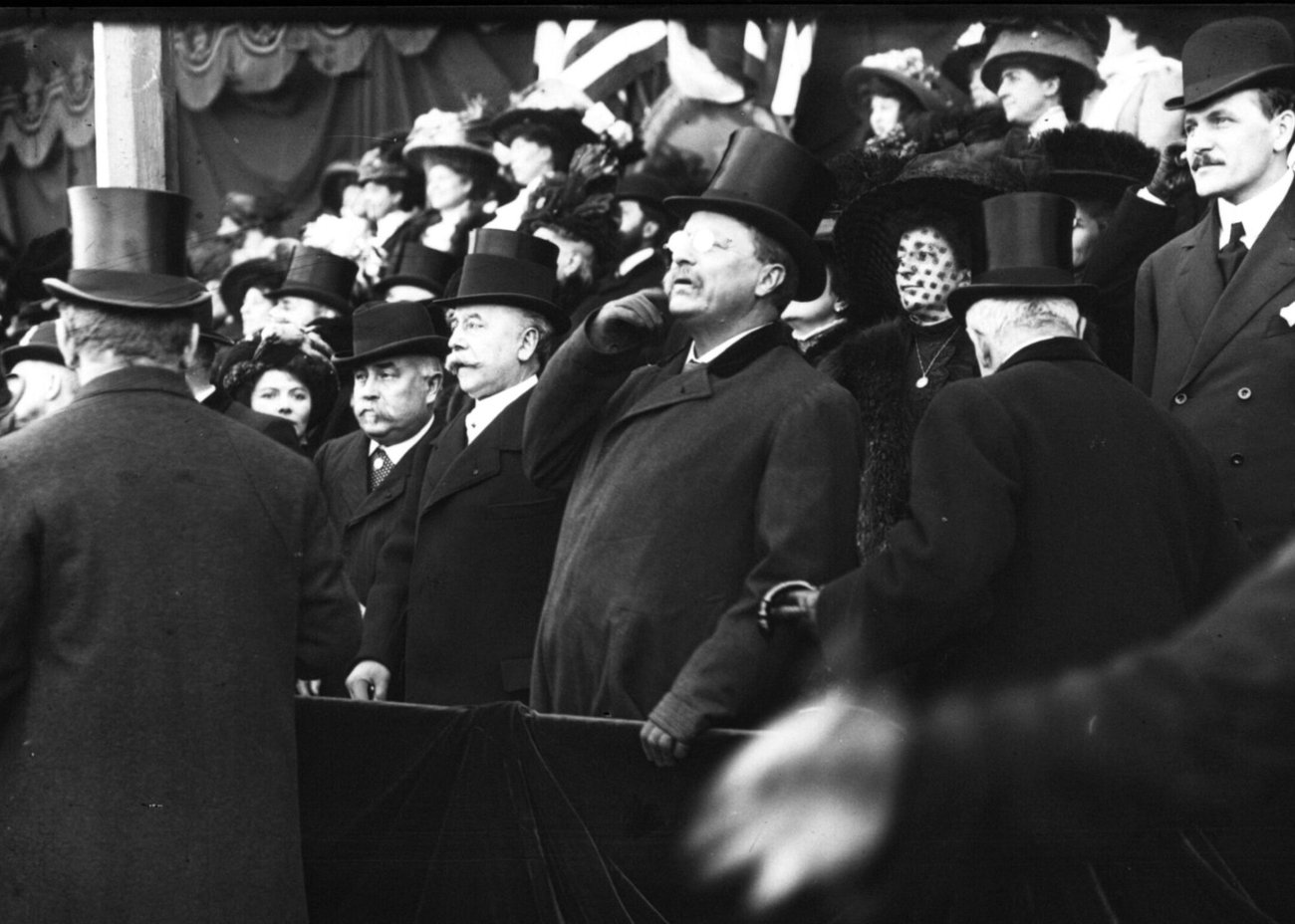
'The Man in the Arena' Is a Catholic Way of Life Joseph Spades
In any vocation, God gives us a task. In Roosevelt's "Citizenship in a Republic" speech, achievement alone does not measure success. Rather, our passion-fueled effort decides whether we end up dwelling alongside "those cold and timid souls who neither know victory nor defeat." Our passion for our faith and the effort we exert in our everyday lives is crucial to finding our way in Christ and following him into any arena we face. |
| READ ARTICLE |
| |
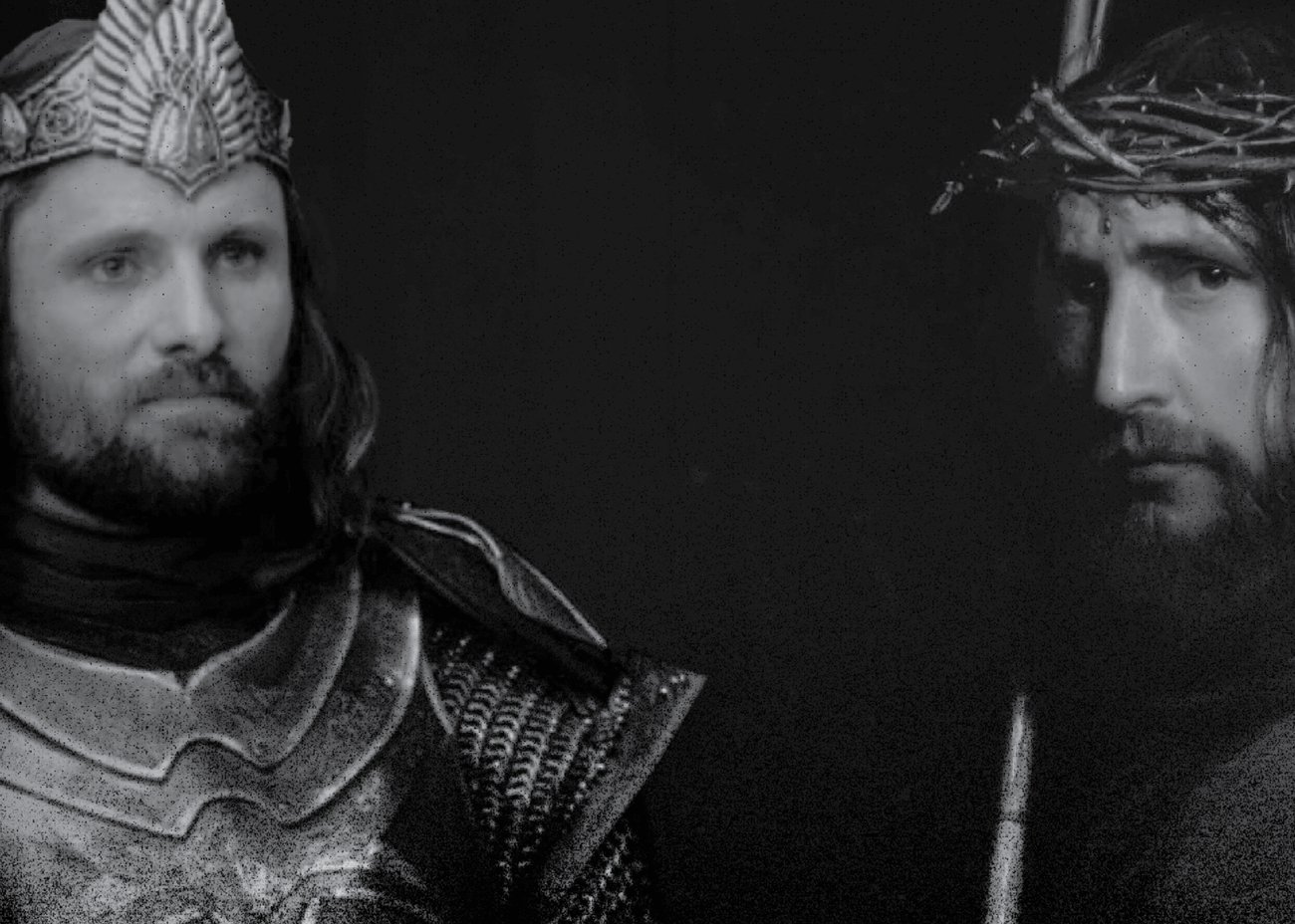 |
The Parallel Kingships of Aragorn and Christ Fr. Mike Johns
While not overtly symbolic, The Lord of the Rings nonetheless contains a wealth of allusions, echoes, and indirect references to Christian faith. In the case of Aragorn, two passages in particular stand out as reflective of Christ. Such passages in the novel invite a comparison, a reading-together, with the many Gospel passages that speak of the authority of Christ, by which his identity as something more than the humble carpenter of Nazareth is revealed. |
| READ ARTICLE |
| |
 |
Clickbait Catholicism Dr. Richard DeClue
I think there are quite a lot of Catholic social media outlets that do great work in the realm of evangelization and theology. At the same time, I do encounter a significant amount of concerning content claiming to be Catholic. I want to reflect on some elements that frequently accompany such production and, at the same time, encourage all content creators to examine their consciences with respect to their own output. |
| READ ARTICLE |
| |
 |
Something Wicked Leaves Readers Unprepared to Evangelize Leah Libresco Sargeant
Dr. Carrie Gress aims to reveal the secret history of the many overlapping feminist movements and argues they all are rooted in three principles: an embrace of promiscuity, a hatred of men, and attachment to the occult. These dismissals cut off curiosity, and without a real interest in your opponent, it is impossible to win her trust. The work, like that of the New Atheists, does not form readers for fruitful dialogue: It gives them excuses to disengage. Her book is at its most effective when Gress unfolds what she believes, rather than describing and dismissing the beliefs of others.
|
| READ ARTICLE |
| |
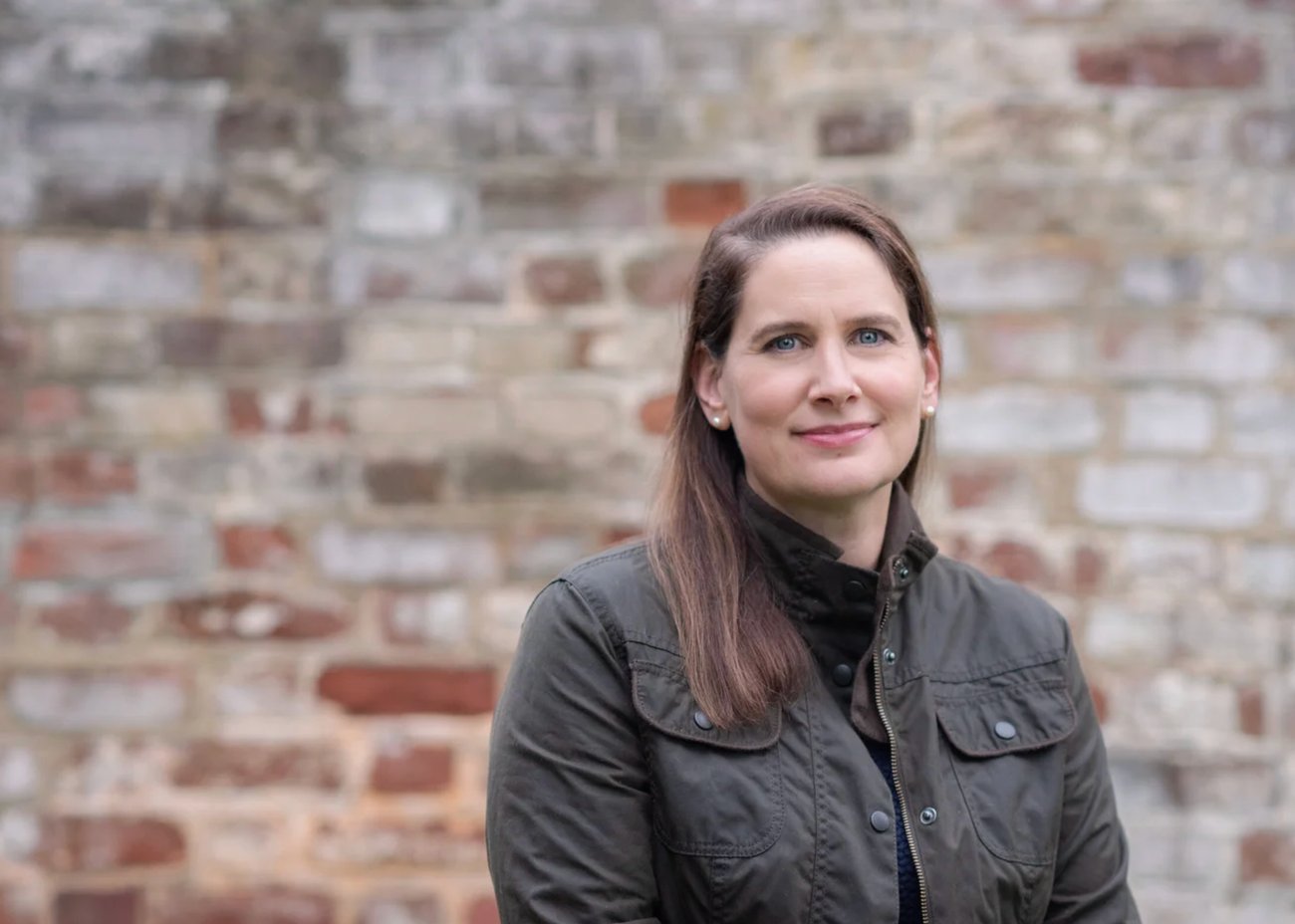 |
Misunderstood: Answering a Review of Something Wicked Dr. Carrie Gress
Leah Libresco Sargeant's review of my book came as no surprise. It was the latest in a long string of attacks on my work related to feminism and Mary Wollstonecraft. A more careful reading of the book would have avoided the many misinterpretations. Sargeant is critical of the way in which I define the feminist movement. My contention, in the book and in many other books and articles, is that there is an overriding feminist movement. The trunk of a definition can have diverse branches, just as a genus has its species.
|
| READ ARTICLE |
| |
 |
Learn to See and Know God Dwelling in Others Christopher Hazell
The only reason we were created—the whole point of our lives and existence—is to be in relationship with God and his creatures. We are also called to give without expecting anything in return, just as God gives to us. And to give in this way is to love the way God does. But loving this way presupposes we first see others, which means developing a vision that is capable of beholding the people in our lives as subjects and not objects.
|
| READ ARTICLE |
| |
 |
Resolving Ethical Dilemmas in Health Care Mark Bradford
Rapid advancements in medical practice and technology have made some health care decisions complicated.The most recent version of the USCCB's Ethical and Religious Directives for Catholic Health Care Services provide a valuable and accessible summary to guide Catholic health care in a proper "understanding of the nature of the human person, of human acts, and of the goals that shape human activity." |
| READ ARTICLE |
| |
 |
Freedom Beyond Selfies, Somas, and Horrorshows Casey Chalk
Both in the privacy of our home and in the public square, the device has become an extension of ourselves and how we mediate who we are to the world. Dystopian literature—which so often offers a window not only into a possible future but our present—generally presents two responses to technological developments that engender feelings of social disconnection, anxiety, and loss of agency.
|
| READ ARTICLE |
| |
 |
Catholics Fight 'Together Against Loneliness' on World Down Syndrome Day Mark Bradford
Loneliness is directly correlated to social rejection, exclusion from peer networks, and barriers to employment. It is also a significant driver of mental health concerns that disproportionally impact persons with Down syndrome, especially in categories like depression and anxiety disorders. All Catholics should use this as a day to check our consciences to see how well we are responding to our Lord's commandment to love our neighbor as ourselves.
|
| READ ARTICLE |
| |
 |
Revenge of the Liberal Artists: How AI Increases Demand for Critical Thinking John Geiran
The overnight AI sensation took a while to get here. The unintended consequence of the rollout was that we all learned all at once that AI was not magic. At times, it hallucinated (generating inaccurate answers) or confabulated (filling in missing information). It even demonstrated algorithmic prejudice (a bias that introduces skewed or discriminatory data sets). Who better to construct a thoughtful prompt or conduct the smell test on AI results than a team member who studied history, philosophy, or literature?
|
| READ ARTICLE |
| |
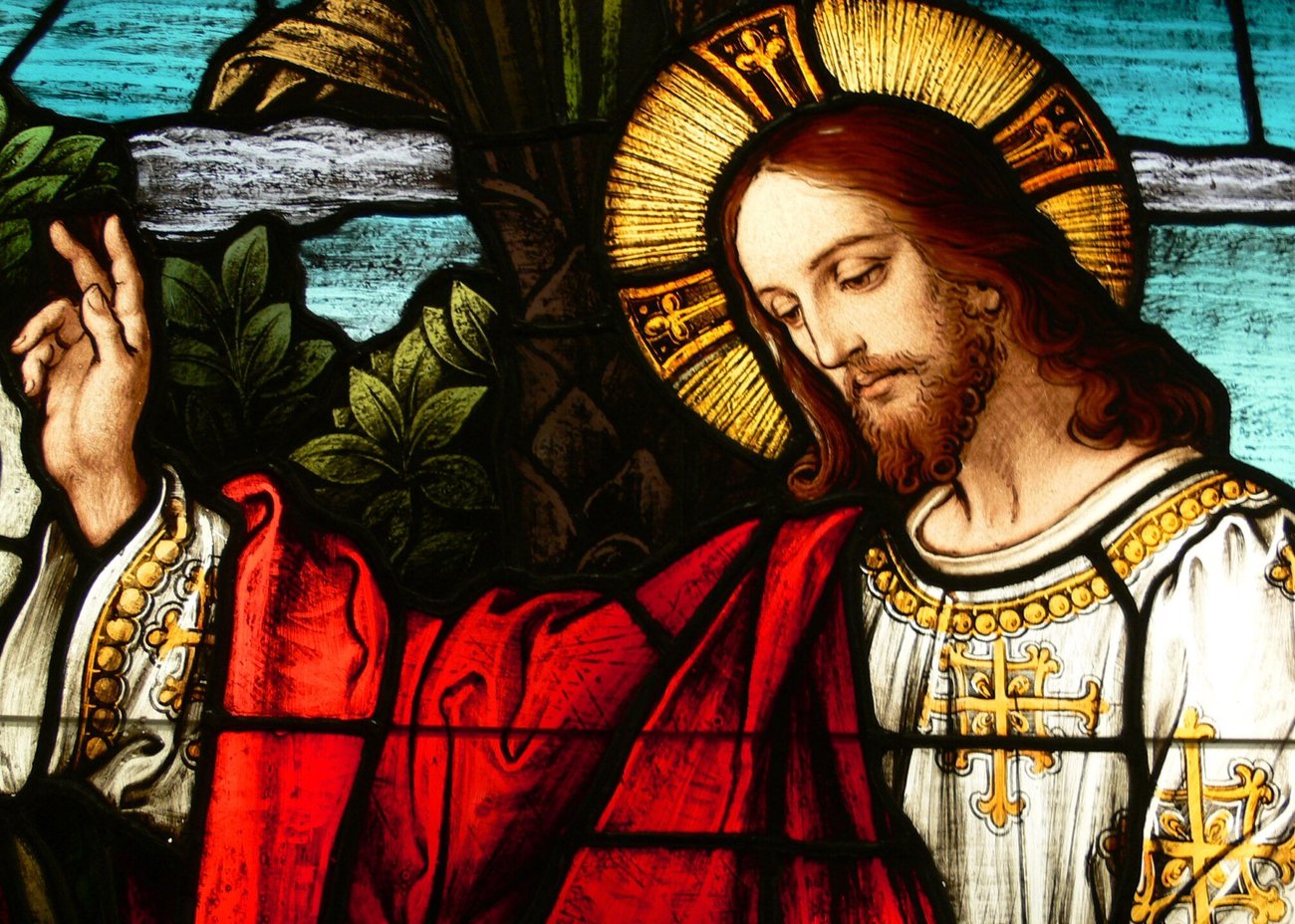 |
Why We're Still Not Done with Jesus Dr. Tod Worner
Adam Gopnik's "We're Still Not Done with Jesus," a 2025 essay in The New Yorker, was circulated yet again around social media. The timing of its resurrection is no mystery: Christians are deep into the contemplative and sacrificial days of Lent. The greatest trouble with the credulity of Mr. Gopnik and his scholars is their refusal to entertain the fact that they may be wrong. It is a hubris that is unbecoming of authentic scholarship. True science, at its best, is humble and forever learning.
|
| READ ARTICLE |
| |
 |
Materialism Is the Opiate of the Masses Dr. Richard Clements
Karl Marx infamously referred to religion as the "opiate of the masses." He was a materialist; he believed that the universe consists of nothing more than matter in motion, the random and absolutely purposeless swirl of atoms. One can make a convincing argument that it is materialism that is the true "opiate of the masses" in that it is materialism, not religion, that prevents people from seeing the universe and human life as they really are.
|
| READ ARTICLE |
| |
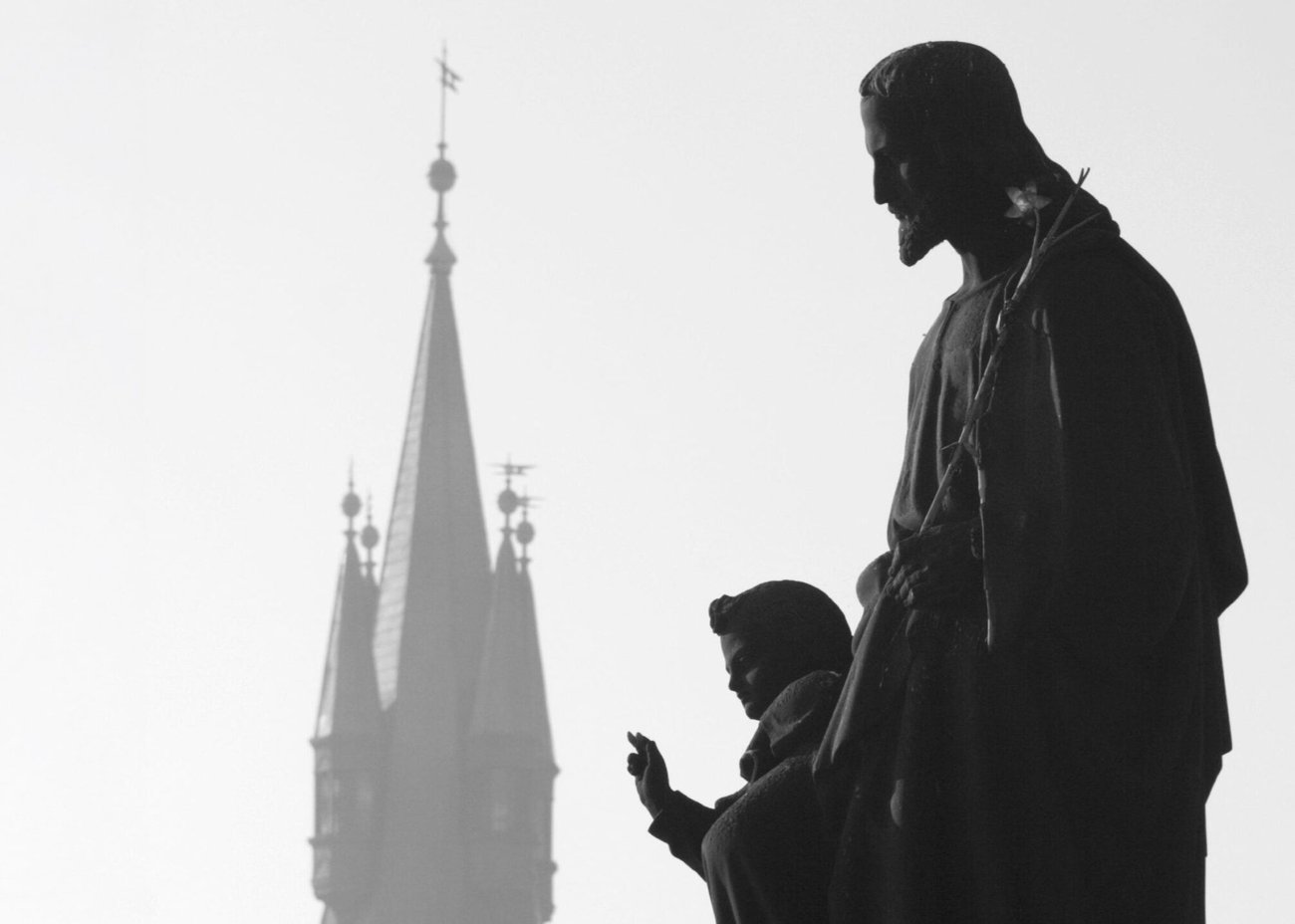 |
The Loud Silence of St. Joseph Fr. Steve Grunow
After the story of Christ's birth, St. Joseph seems to disappear from the narrative of Christ's life as it is recorded in the Gospels. Generations subsequent to the writers of the Gospels treasured many pious legends about St. Joseph, and the Church assures us that he remains an actor in the life of the Church to this very day, but in terms of personal details, anecdotes, true life stories, there is silence. Perhaps the silence of St. Joseph is his most profound witness.
|
| READ ARTICLE |
| |
 |
Evangelizing a Fractured Culture with Neuroscience and Theology Nell O'Leary
"Far from the godless wasteland that people sometimes imagine academic neuroscience to be, I've found a profound harmony with Christian faith." Dr. Sofia Carozza's two-day seminar in the Word on Fire Institute brings together her knowledge of neuroscience, the Catholic vision of the human person, and how to evangelize with all these principles at play.
|
| READ ARTICLE |
| |
 |
The American Catholic Philosophical Association at 100 Dr. Christopher Kaczor
If God exists, then God is the most important truth because God is the first truth and the foundation of all the other truths in the created order. So, if philosophy is understood as the love of wisdom, the seeking of the truth both theoretical and practical, how could a philosopher not be helped by knowing and loving the first truth? We have many reasons to give thanks to the God of faith and reason.
|
| READ ARTICLE |
| |


0 Response to "[NEW ARTICLES] Treating parenthood like a lifestyle choice leads to anti-motherhood rhetoric, Clickbait Catholicism…"