Why George Washington was obsessed with mules
 |
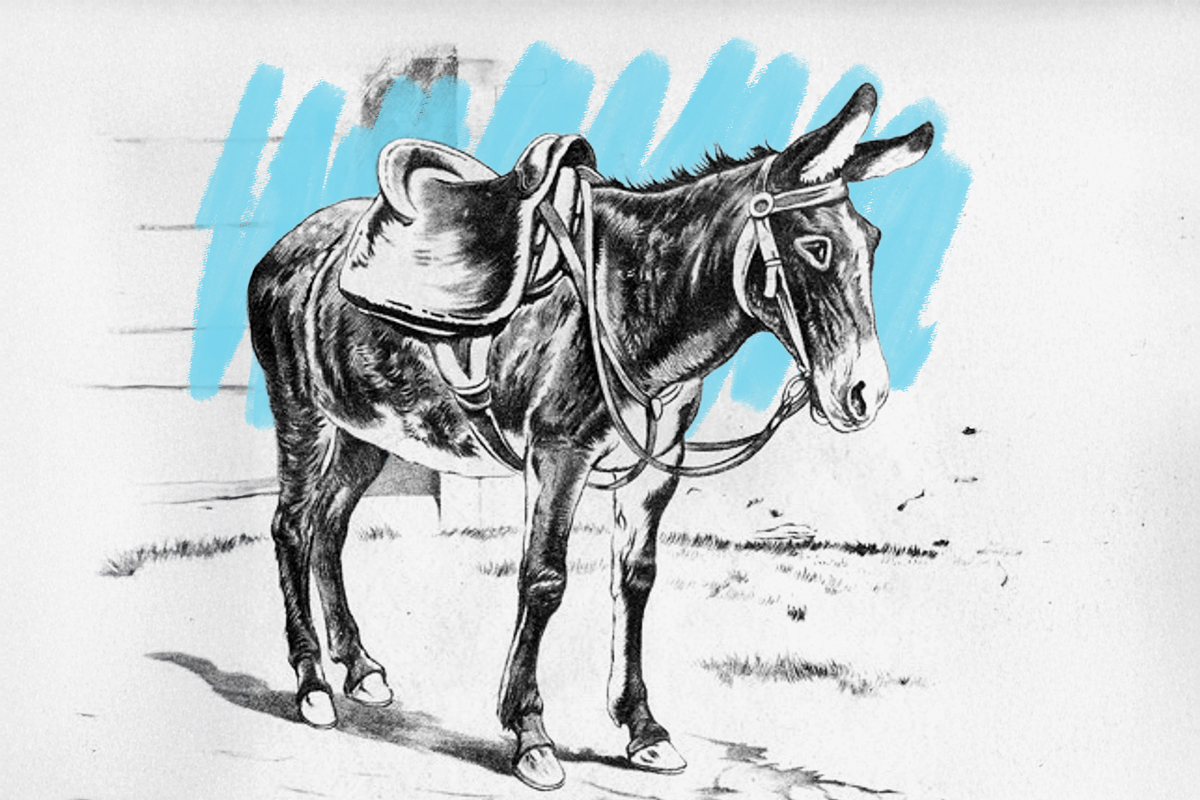
George Washington was passionate about mules. |
Famous Figures |
 |
| |
But there was a problem with Washington's plan of revolutionizing America's beasts of burden: The best donkeys came from Spain, which wouldn't export the prized creatures without a royal exemption from King Charles III himself. As the hero of the American Revolution and soon-to-be president, however, Washington was fairly well connected. | |
According to an account from Thomas Jefferson, Charles III eventually learned of Washington's interest in Spanish donkeys and was happy to find "two of the very best to be procured & sent you as a mark of his respect." Only one of them survived the long journey despite Washington's detailed transport instructions (such as "let the Jacks be put separate & with no other Creatures, lest they should get kicked, & hurt themselves or hurt others"), but Royal Gift, as the mule-loving military hero named him, eventually arrived at Mount Vernon safe and sound. Within 15 years, Washington had nearly 60 mules working the land, earning him the title of "Father of the American Mule." |
 |
These Are the Rolls-Royce of Hearing Aids (and Under $100) |
Shoppers are going nuts over these low cost hearing aids that are virtually invisible. Discover how these affordable hearing aids are changing the lives of people every day. |
*This content is brought to you by our sponsor which helps keep History Facts free. |
 | |||||||||
By the Numbers | |||||||||
| |||||||||
| |||||||||
| |||||||||
| |||||||||
Mules are almost always sterile. | |||||||||
Mules have 63 chromosomes, which is a problem when it comes to breeding. Donkeys have 62, and horses have 64 — both even numbers, which isn't a coincidence. These strings of DNA come in pairs, meaning donkeys have 31 pairs and horses have 32. (Humans have 46 chromosomes, or 23 pairs, with each parent contributing one chromosome in each pair, in case you were wondering.) When a horse and donkey mate, one chromosome is left over and has nothing to pair with. This 63rd chromosome doesn't have any ill effect on the mule, but it does affect its ability to reproduce. The same is true of a hinny, which is the offspring of a male horse (stallion) and female donkey (jenny). | |||||||||

| |||
Recommended Reading | |||
 | |||
World History | |||
| |||
 | |||
U.S. History | |||
| |||
| + Load more | |||
Say Goodbye to Mold and Soap Scum |
That stubborn soap scum and mold? Gone. X-All's professional-grade formula penetrates and dissolves bathroom buildup in minutes (and it's safe for pets and kids!). |
*This content is brought to you by our sponsor which helps keep History Facts free. |
| |||||||||||||||||||||||||||||||||||||||||||||||||||||||









| |||||||||
| 325 North LaSalle Street, Suite 200, Chicago, IL 60654 | |||||||||

0 Response to "Why George Washington was obsessed with mules"